
Are Traditional Emergency Drills Dead? How AI-Powered Crisis Simulations Are Revolutionizing Corporate Training
Picture this: It's 2 PM on a Tuesday, and the fire alarm goes off at your corporate headquarters. Employees shuffle toward exits with the enthusiasm of people heading to a root canal. Some check their phones, others grab their coffee, and a few brave souls actually follow proper evacuation procedures. Sound familiar?
This scenario plays out in thousands of organizations every day, and it highlights a critical problem with traditional emergency management training. While these drills aren't dead, they're desperately in need of a technological upgrade that's already transforming how smart organizations prepare for crisis situations.
The Reality Check: What Traditional Drills Get Right (And Wrong)
Let's be honest, traditional emergency drills serve an important purpose. They build muscle memory, help people learn evacuation routes, and give organizations a baseline understanding of their emergency response capabilities. Research consistently shows that regular practice improves response times and reduces panic during actual emergencies.
But here's where things get interesting: most traditional drills operate in a data vacuum. Sure, you might time how long it takes everyone to evacuate, but that's about it. You're missing crucial insights about bottlenecks, decision-making patterns, communication breakdowns, and individual performance variations that could make the difference between an effective response and a catastrophic failure.

Traditional drills also suffer from predictability. When employees know exactly when and what type of drill is coming, they don't experience the cognitive load and stress that characterize real emergencies. This creates a false sense of security and doesn't truly test an organization's crisis management capabilities.
Enter AI: The Game-Changer for Crisis Preparedness
AI-powered crisis simulations are revolutionizing corporate emergency management training by addressing these fundamental limitations. These systems create dynamic, unpredictable scenarios that closely mirror real-world conditions while capturing massive amounts of performance data that was previously impossible to collect.
Modern AI simulation platforms can generate thousands of unique crisis scenarios, from cybersecurity breaches and natural disasters to workplace violence and supply chain disruptions. Each simulation adapts in real-time based on participant decisions, creating an experience that's far more engaging and realistic than traditional tabletop exercises.
But the real power lies in the data. AI systems track everything: response times, decision quality, communication patterns, stress indicators, and team coordination effectiveness. This information transforms emergency preparedness from guesswork into a precision science.
Real-World Applications: How Organizations Are Benefiting
Leading corporations, universities, and health authorities are already seeing dramatic improvements in their emergency preparedness capabilities through AI-powered training solutions. Healthcare systems, for example, are using these platforms to simulate complex scenarios like mass casualty events while tracking how well their teams coordinate across departments.

Corporate resilience teams are particularly benefiting from AI simulations that test their response to cascading failures: like a cyberattack that triggers operational shutdowns, which then creates safety issues, which then impacts public relations. These complex, interconnected scenarios are nearly impossible to replicate through traditional drills but are becoming routine through AI-powered training.
Universities are using AI simulations to prepare for everything from active shooter situations to severe weather events, with the added benefit of being able to train large numbers of staff and students without disrupting campus operations. The simulations can even account for different personality types and stress responses, providing more personalized training experiences.
The Data Advantage: Turning Insights Into Action
One of the most significant advantages of AI-powered crisis simulations is their ability to identify patterns and trends that human observers would miss. These systems can analyze thousands of data points to identify which team members consistently make good decisions under pressure, which communication channels break down first during high-stress situations, and which procedures need refinement.
This data-driven approach enables continuous improvement in ways that traditional drills simply cannot match. Organizations can track their preparedness levels over time, identify specific areas where additional training is needed, and even predict how well their teams might perform in various crisis scenarios.

The analytics also reveal insights about organizational culture and leadership effectiveness during crisis situations. AI systems can identify who emerges as natural leaders during simulations, which departments collaborate well under pressure, and which communication patterns correlate with successful outcomes.
Beyond Traditional Emergency Management Training
AI-powered simulations are expanding the definition of what emergency management training can accomplish. Instead of focusing solely on evacuation procedures and basic response protocols, these systems enable organizations to practice complex decision-making, test crisis communication strategies, and develop organizational resilience.
For example, corporate crisis exercise simulations now include elements like media management, stakeholder communication, legal considerations, and financial impact assessment. This holistic approach better prepares organizations for the multifaceted nature of real crises.
The technology is also enabling more sophisticated access and functional needs planning, ensuring that emergency procedures account for individuals with disabilities, language barriers, or other special requirements. AI can simulate how these factors impact emergency response and help organizations develop more inclusive and effective procedures.
Implementation: Making the Transition
Organizations considering AI-powered crisis simulations don't need to abandon traditional drills entirely. The most effective approach combines both methodologies, using traditional drills for basic skill building and AI simulations for advanced scenario training and performance optimization.

The implementation process typically begins with establishing baseline capabilities through traditional assessments, then gradually introducing AI-powered scenarios that build in complexity. This allows organizations to maintain their current preparedness levels while expanding their capabilities.
Key success factors include ensuring leadership buy-in, providing adequate training on the new systems, and establishing clear metrics for measuring improvement. Organizations also need to consider data privacy and security implications when implementing AI-powered training systems.
The Future of Emergency Preparedness
As AI technology continues advancing, we can expect even more sophisticated applications in emergency management training. Virtual and augmented reality integrations will create immersive experiences that blur the line between simulation and reality. Machine learning algorithms will provide increasingly personalized training recommendations based on individual performance patterns.
The integration of real-time data from IoT sensors, weather systems, and other external sources will enable simulations that respond to actual conditions, creating truly dynamic training environments. This evolution represents a fundamental shift from reactive emergency planning to proactive, adaptive preparedness strategies.
Organizations that embrace these technologies now will have significant advantages in crisis preparedness and organizational resilience. Those that cling to purely traditional approaches risk being unprepared for the complex, interconnected nature of modern crises.
The Verdict: Evolution, Not Extinction
Traditional emergency drills aren't dead: they're evolving. The most effective emergency management training programs combine the foundational benefits of traditional approaches with the sophisticated capabilities of AI-powered simulations.
This hybrid approach provides the best of both worlds: the proven benefits of regular practice and procedural familiarity from traditional drills, combined with the advanced analytics, scenario complexity, and continuous improvement capabilities of AI-powered systems.
The organizations that will be best prepared for future crises are those that recognize this evolution and adapt their training programs accordingly. The question isn't whether traditional drills are dead, but whether your organization is ready to embrace the future of emergency preparedness.
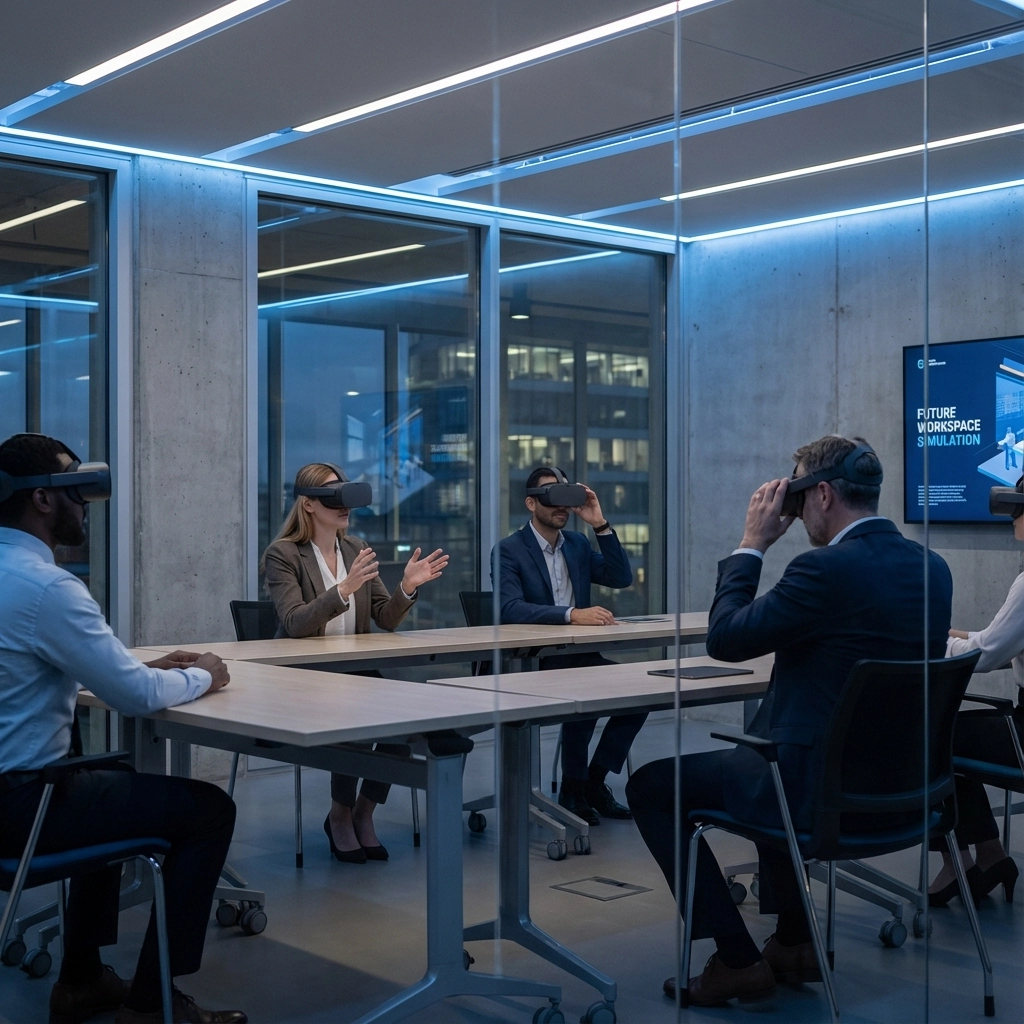
The stakes are too high to rely on outdated training methods alone. As crises become more complex and interconnected, our preparation methods must evolve to match. AI-powered crisis simulations represent that evolution: not as a replacement for traditional approaches, but as their natural and necessary enhancement.
Comments