
Looking For Emergency Response Training? Here Are 10 Things You Should Know Before Enrolling
- rynelemardis
- Feb 14
- 6 min read
Emergency response training isn't just a checkbox item on your compliance list: it's the foundation that determines how effectively your organization handles critical incidents. Whether you're a corporate safety officer, an HR professional, or an individual looking to enhance your emergency preparedness skills, selecting the right training program requires careful consideration.
The emergency response training landscape has evolved significantly. With options ranging from quick online modules to intensive multi-day certifications, making an informed decision means understanding what truly matters. Here are ten essential factors you need to evaluate before enrolling in any emergency response training program.
1. Course Format and Delivery Method
Training programs today come in various formats, and your choice significantly impacts learning outcomes. Online, self-paced courses offer maximum flexibility: ideal for busy professionals who need to fit training around existing commitments. These typically range from 30-minute introductory modules to comprehensive one-hour courses that cover fundamental emergency preparedness principles.
In-person training, however, provides irreplaceable hands-on experience. Specialized programs, particularly those dealing with hazardous materials or industry-specific emergencies, often require two-day classroom sessions with practical exercises. Consider whether your learning objectives demand physical practice with emergency equipment or if theoretical knowledge suffices for your role.
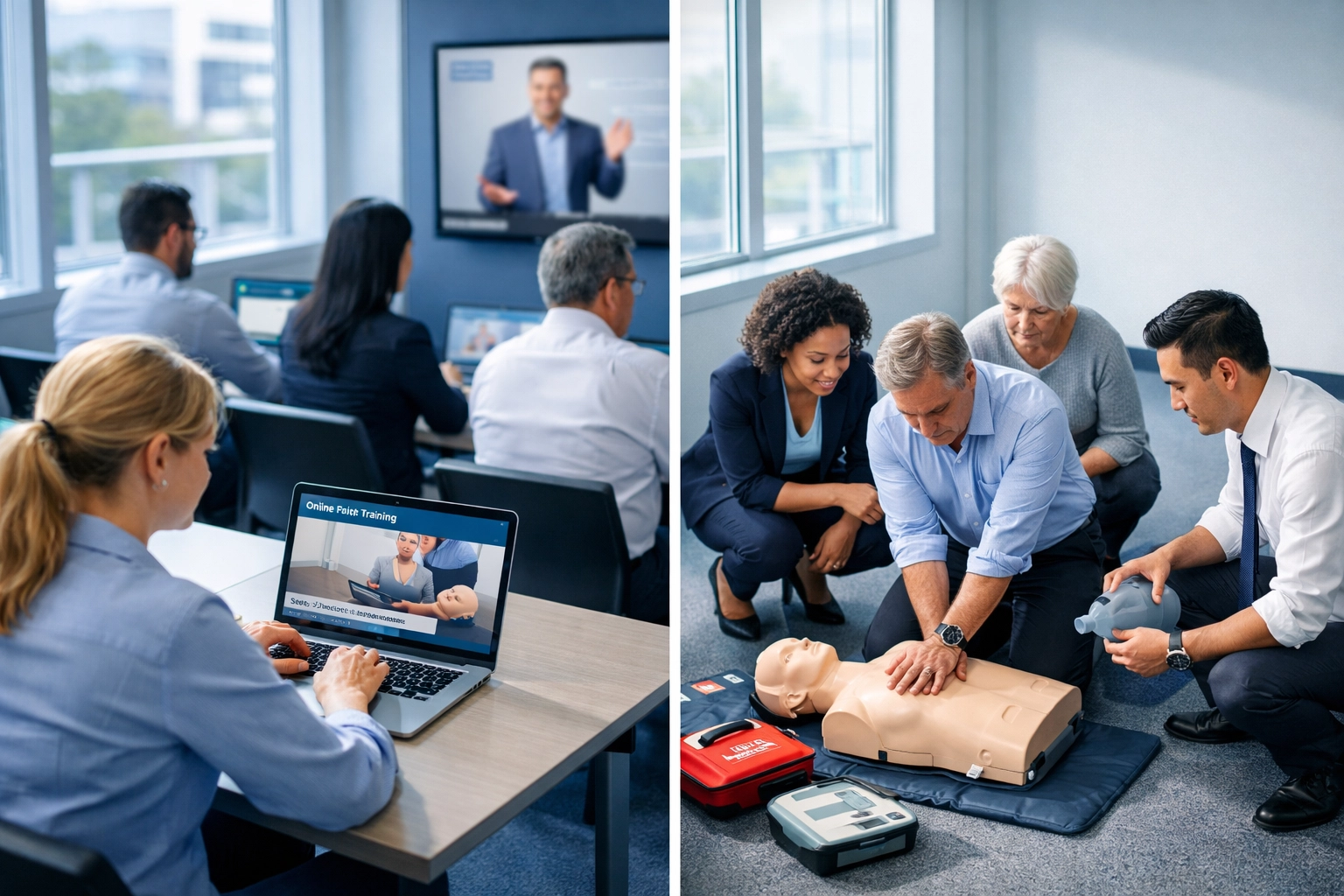
Hybrid models are increasingly popular, combining online theory with in-person practical sessions. This approach maximizes convenience while ensuring participants gain tactile skills with emergency equipment. Evaluate your schedule, learning style, and the specific competencies your role requires before committing to a format.
2. Cost Structure and Hidden Expenses
Emergency response training pricing varies dramatically based on program depth and specialization. General workplace emergency preparedness courses typically cost around $49 per participant: a reasonable investment for foundational knowledge. However, specialized training addressing specific hazards or industry requirements often involves custom pricing that can reach several hundred dollars per person.
Beyond the base course fee, consider additional costs. Does the program require specific equipment purchases? Are there recertification fees? Does your organization need to bring in instructors for on-site training, adding travel and accommodation expenses? Understanding the total cost of ownership ensures you budget appropriately and avoid unwelcome surprises.
For organizations training multiple employees, volume discounts and enterprise licensing options can significantly reduce per-person costs. Don't hesitate to negotiate with training providers: many offer flexible pricing structures for larger groups.
3. Target Audience Alignment
Emergency response training programs serve vastly different audiences with distinct learning needs. Some courses target general workplace employees who need basic awareness of emergency procedures. Others focus specifically on health and safety committee members, designated first responders, or supervisors responsible for establishing and managing emergency response teams.
Enrolling in a program that doesn't match your role wastes time and resources. An executive-level crisis management course will frustrate frontline workers needing practical evacuation procedures. Conversely, basic employee awareness training won't equip safety coordinators with the strategic planning skills their role demands.
Review the course description carefully. Who is the intended audience? What job functions will benefit most? If you're uncertain whether a program fits your needs, contact the provider directly. Quality training organizations gladly discuss whether their program aligns with your specific responsibilities.
4. Legal Compliance and Regulatory Requirements
Emergency response training often isn't optional: it's legally mandated. Regulations vary by jurisdiction, but many require workplaces to conduct regular emergency training sessions. In some regions, failure to provide adequate emergency training can result in substantial fines and potential liability in the event of an incident.
Understanding your specific regulatory obligations before selecting training ensures compliance. Does your industry have specific standards (like OSHA requirements in the United States)? Are there provincial or state-level regulations governing workplace emergency preparedness? Does your organization's insurance policy require documented emergency training?
Beyond avoiding penalties, compliance-focused training protects your organization legally. In litigation following an emergency incident, documented training records demonstrate due diligence and reasonable care: critical elements in defending against negligence claims.
5. Workplace-Specific Hazard Coverage
Generic emergency response training provides valuable foundational knowledge, but the most effective programs address hazards specific to your workplace environment. A manufacturing facility faces different emergency scenarios than a corporate office building or healthcare facility.
Identify the emergency scenarios most likely in your environment before selecting training. Does your workplace store hazardous materials requiring specialized spill response training? Are you in an area prone to natural disasters like earthquakes or hurricanes? Do you operate equipment that could cause industrial accidents?

The best training programs offer customization options, tailoring content to your organization's specific risk profile. This customization ensures participants learn practical response procedures they'll actually use, rather than generic information with limited applicability to their daily work environment.
6. Prerequisite Knowledge and Skill Levels
Most introductory emergency response programs require no prior experience, serving as foundational training for all employees regardless of background. These courses assume participants start with zero emergency preparedness knowledge and build from fundamental concepts.
However, advanced programs often build on existing knowledge. Before enrolling in intermediate or specialized courses, verify you possess the prerequisite understanding. Some programs recommend supplementary training before enrollment, ensuring all participants share a common knowledge baseline.
If you're implementing organization-wide training, consider creating a tiered approach. Start with basic awareness training for all employees, then offer specialized programs for designated responders, and finally provide advanced strategic training for emergency planning team members. This progressive structure builds organizational capability systematically.
7. Practical Equipment Training Components
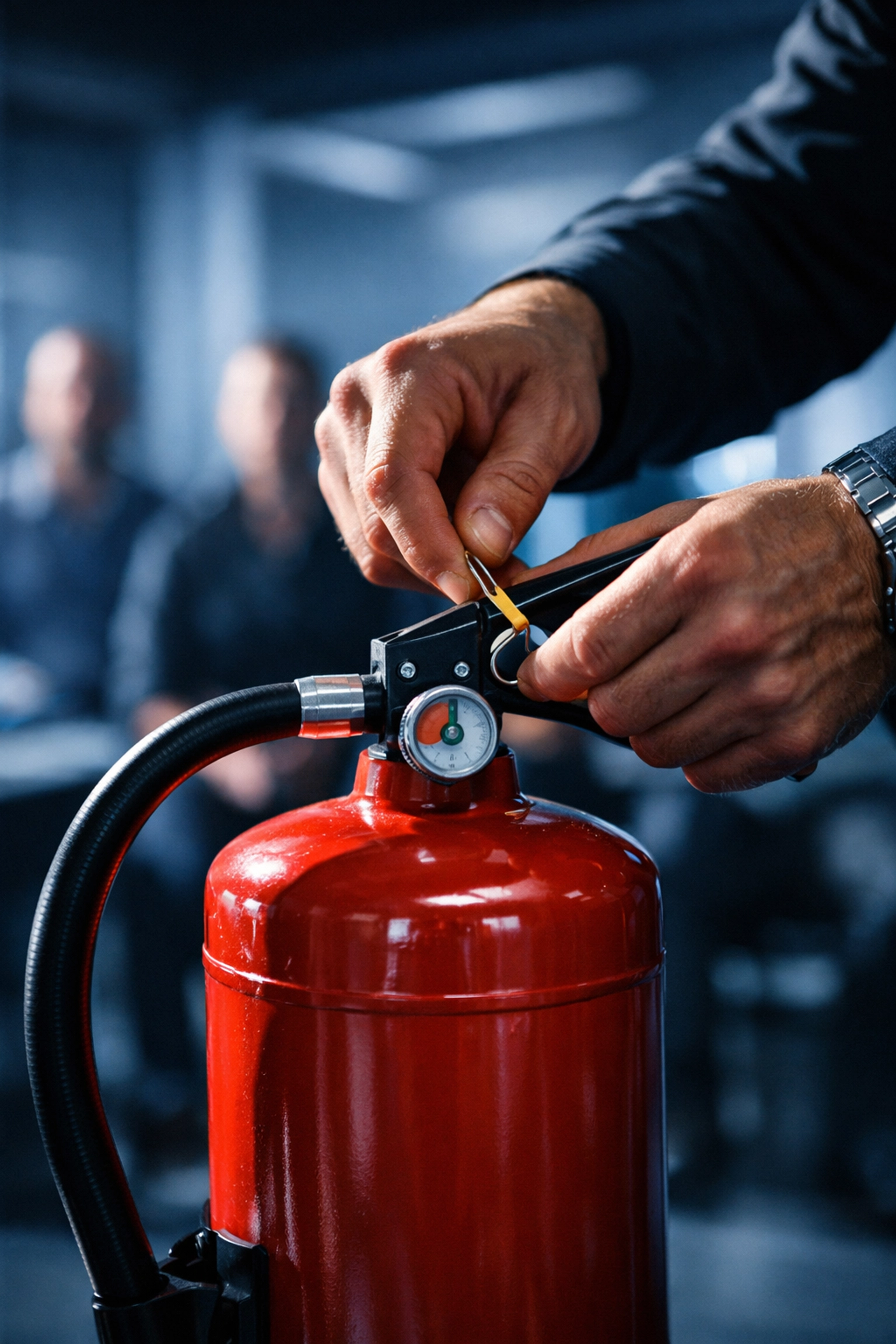
Knowing theoretically how to use a fire extinguisher differs dramatically from actually operating one under pressure. Quality emergency response training includes hands-on practice with equipment participants will use during actual emergencies.
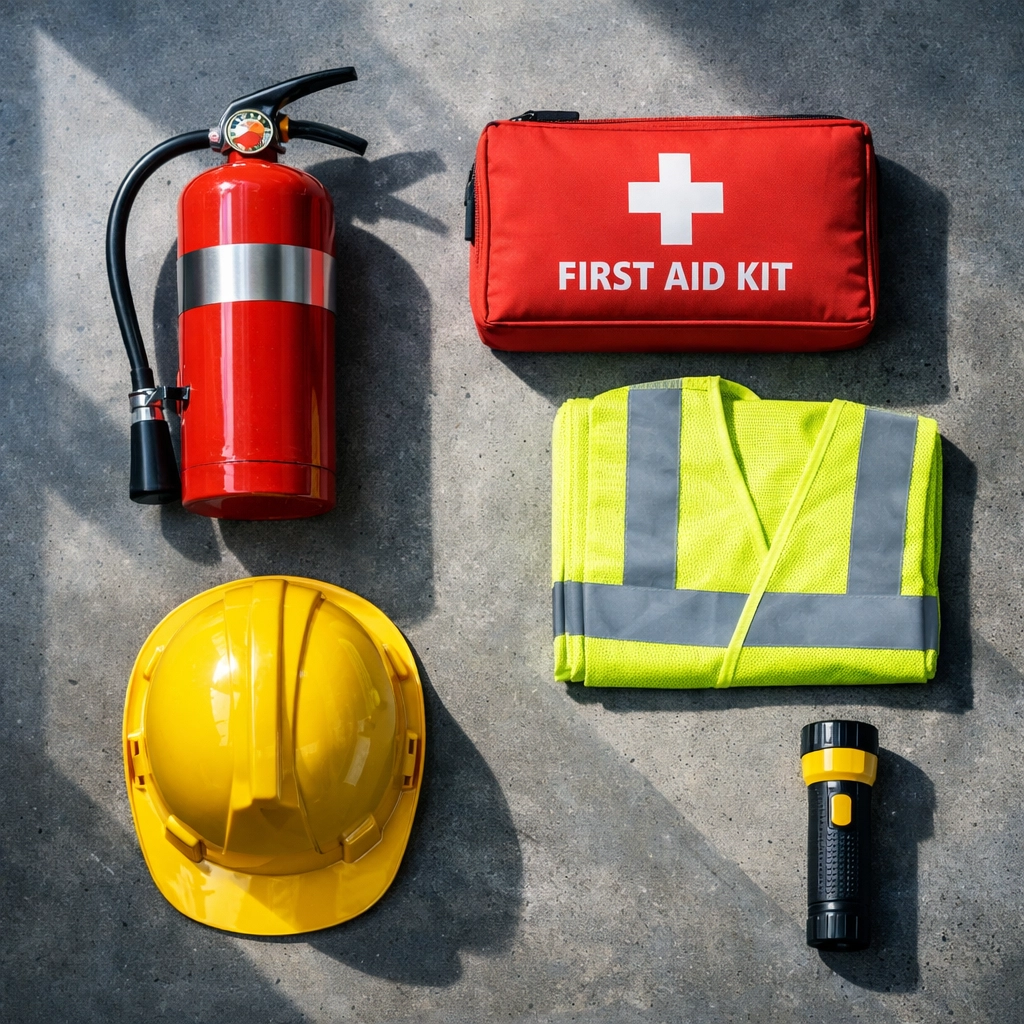
Verify whether programs include practical instruction on fire extinguishers, fire hose reels, emergency alarm systems, first aid equipment, and other tools relevant to your workplace. If hands-on skills are critical for your role: particularly for designated first responders or emergency team members: ensure the training format accommodates equipment practice.
For online courses, some providers offer supplementary in-person equipment training sessions. While convenient, purely digital programs cannot replicate the muscle memory and confidence gained from physical equipment operation. Balance convenience with the need for practical competency based on your specific role requirements.
8. Assessment and Competency Verification
How does the program confirm participants actually learned the material? Quality training includes robust assessment components: case studies, scenario-based exercises, review quizzes, and final examinations that measure understanding and retention.
Assessment isn't about creating stress; it's about ensuring competency. During an actual emergency, incomplete knowledge can have serious consequences. Programs with thorough evaluation processes help identify knowledge gaps before they become critical problems.
Additionally, documented assessment results provide valuable records for compliance purposes. Many regulatory frameworks require proof not just that training occurred, but that participants demonstrated competency. Certificates of completion backed by actual testing carry significantly more weight than simple attendance records.
9. Integration with Organizational Emergency Plans
Even the most comprehensive general emergency response training requires supplementation with workplace-specific instruction. Generic courses teach broad principles: evacuation basics, emergency communication fundamentals, general first aid: but can't address your organization's unique emergency action plan.
Budget time and resources for organization-specific training that connects general principles to your actual emergency procedures. Where are your evacuation assembly points? Who are your designated emergency coordinators? What are your specific communication protocols during incidents?
The most effective approach combines external professional training with internal workplace-specific instruction. External programs provide theoretical foundation and best practices, while internal training ensures employees know exactly what to do during emergencies in your specific facility.
10. Post-Emergency Recovery and Resilience Focus
Immediate emergency response: evacuations, first aid, incident containment: receives most attention in training programs. However, comprehensive emergency preparedness extends beyond the acute incident phase to include recovery, reconstruction, and psychological support.
Quality programs address business continuity planning, helping organizations maintain operations or recover quickly after emergencies. They cover strategies for supporting employee wellbeing following traumatic incidents, recognizing that organizational resilience depends on workforce mental health.
Look for training that takes a holistic view of emergency management, covering the full lifecycle from prevention through recovery. This comprehensive approach builds organizational resilience: the ability not just to survive emergencies, but to adapt and emerge stronger.
Making Your Decision
Selecting emergency response training requires balancing multiple factors: cost, format, content specificity, compliance requirements, and organizational needs. The investment in quality training pays dividends in reduced incident severity, faster response times, improved regulatory compliance, and enhanced organizational resilience.
Take time to clearly define your training objectives before evaluating programs. What specific competencies do you need participants to gain? What regulatory requirements must you meet? What workplace hazards need addressing? Clear objectives streamline the selection process and ensure you choose training that delivers genuine value.
For organizations serious about building comprehensive emergency management capabilities, Alpha Research Group offers specialized training programs designed for corporate and institutional audiences. Our approach combines professional expertise with practical, actionable strategies that enhance organizational preparedness and resilience.
Emergency response training isn't an expense: it's an investment in your organization's most valuable asset: your people. Choose wisely, and that investment will return value far exceeding its cost.
Comments