
10 Reasons Your Emergency Management Program Isn't Working (And How to Fix It)
You've invested time, resources, and energy into building an emergency management program. But when you run drills or worse, face a real crisis, things fall apart. Plans become useless. People don't know what to do. Communication breaks down. Sound familiar?
The harsh reality is that most emergency management programs aren't failing because they lack effort: they're failing because of specific, fixable gaps in planning and execution. Let's examine the ten most common reasons emergency management programs underperform and, more importantly, how to fix them.
1. Your Plan Contains Outdated or Incorrect Information
Nothing undermines an emergency response faster than reaching for critical information only to discover it's wrong. Outdated contact lists, incorrect facility layouts, obsolete procedures, and inaccurate resource inventories transform your carefully crafted plan into a liability.
The Fix: Establish a systematic audit schedule. Conduct comprehensive reviews quarterly, with focused updates monthly. Assign specific team members responsibility for maintaining different sections. Personnel changes, facility modifications, and resource acquisitions should trigger immediate plan updates. Consider implementing digital plan management systems that flag outdated information automatically.
2. Resource Availability Isn't Clearly Documented
When crisis strikes, you need to know exactly what resources you have available and, equally important, what you don't have. Programs that fail to explicitly document resource availability and limitations set themselves up for failure when responders make assumptions about capabilities that don't exist.

The Fix: Create a comprehensive resource inventory that includes equipment, supplies, personnel capabilities, and external partnerships. Document not just what you have, but quantities, locations, access procedures, and any limitations. Include backup resources and mutual aid agreements. Update this inventory whenever resources change, and verify accuracy during regular exercises.
3. Leadership Roles Remain Unclear
Ambiguity about who's in charge during an emergency creates confusion, delays decision-making, and leads to contradictory directives. Without clearly assigned leadership positions, people either wait for direction that never comes or multiple people issue conflicting orders.
The Fix: Formally designate leadership positions and succession chains for every emergency scenario. Document these assignments in writing. Ensure designated leaders receive appropriate training and authority to act. Include primary, secondary, and tertiary assignments to account for availability issues. Most importantly, communicate these assignments organization-wide so everyone knows who to look to for direction.
4. Response Procedures Haven't Been Tested
Response procedures that look good on paper often reveal critical flaws when put into practice. Untested procedures may contain logical gaps, unrealistic timelines, or dependencies that don't function as expected. Discovering these problems during an actual emergency proves costly or even dangerous.
The Fix: Test every procedure through progressive exercises. Start with tabletop discussions, advance to functional exercises, and culminate in full-scale drills. Document what works and what doesn't. Revise procedures based on exercise findings. Make testing an ongoing commitment, not a one-time event. Organizations should conduct at least one comprehensive exercise annually, with smaller-scale drills quarterly.
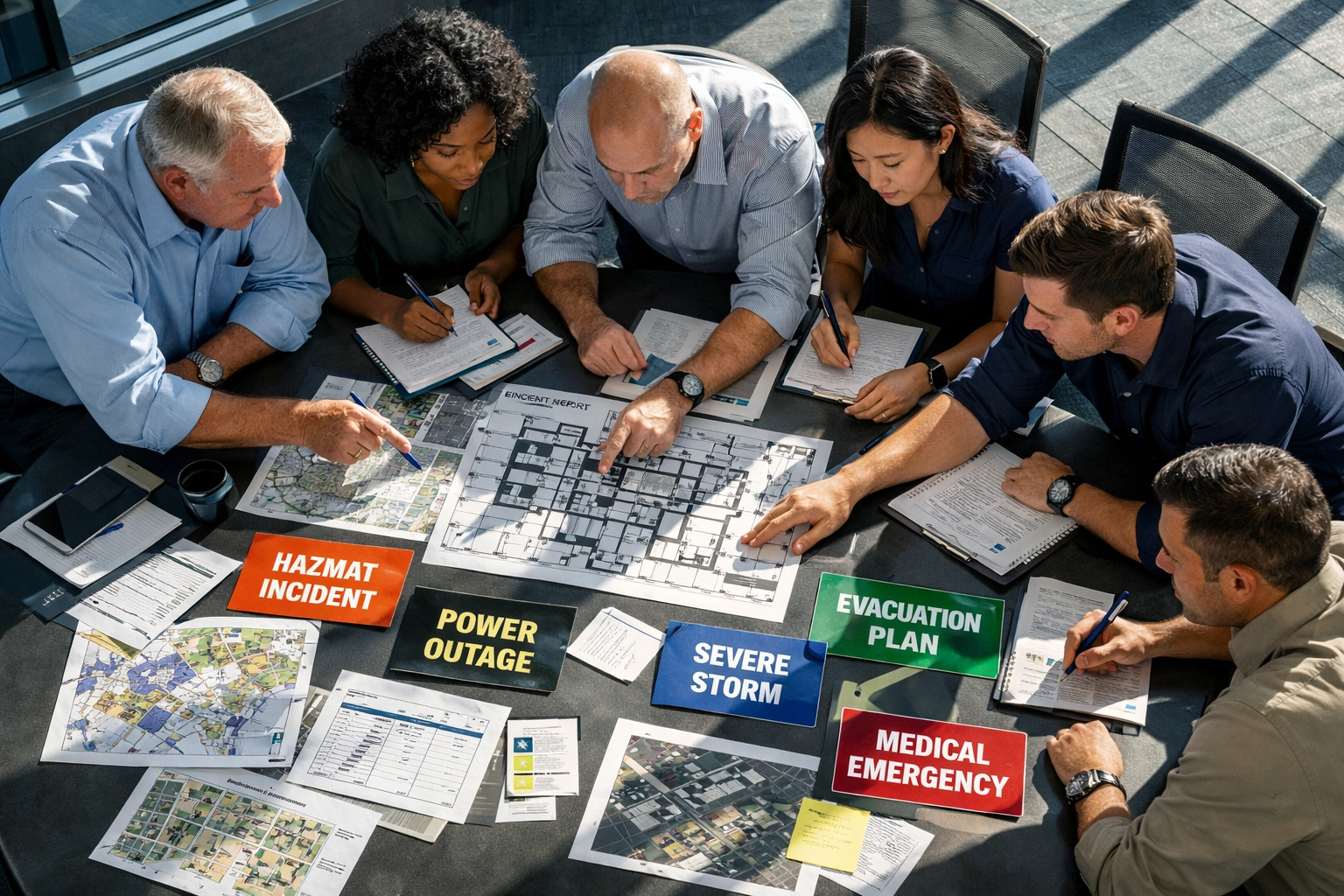
5. Communication Systems Are Ineffective
Communication failures cascade through every aspect of emergency response. When response teams can't coordinate, when staff don't receive clear instructions, when external agencies get conflicting information, or when the public remains uninformed, even the best plans collapse.
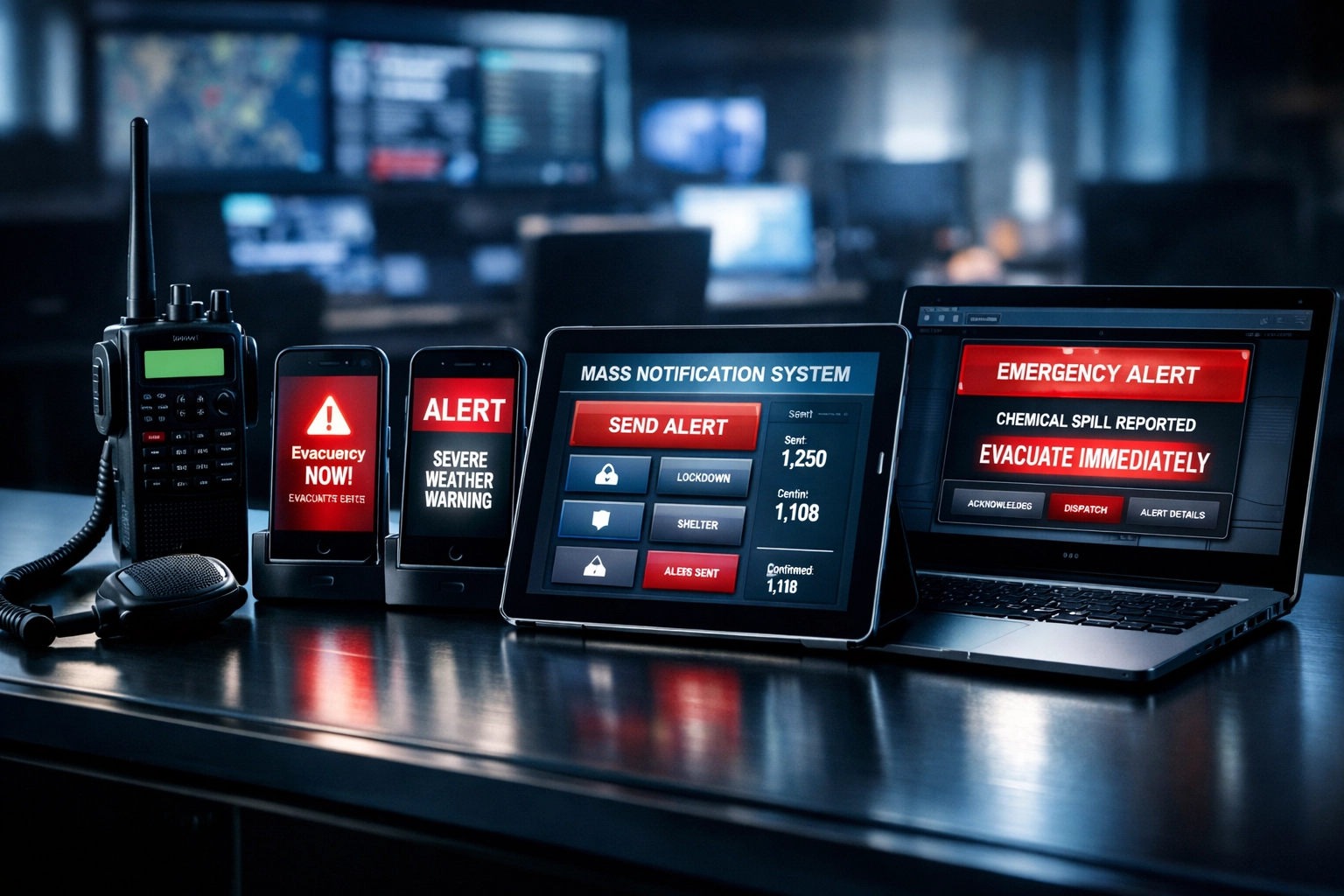
The Fix: Develop redundant communication channels. Don't rely solely on email or phone systems that may fail during crises. Establish backup systems including mass notification platforms, radio communications, and alternative contact methods. Create communication templates for common scenarios. Define clear communication protocols specifying who communicates what information to whom. Test all communication systems regularly, including during off-hours and worst-case scenarios.
6. Staff Haven't Been Properly Trained
A plan is only as effective as the people executing it. When key personnel don't understand their responsibilities until an emergency occurs, response efforts suffer from hesitation, mistakes, and delays. Training after the fact comes too late.
The Fix: Implement comprehensive training programs tailored to specific roles. Don't settle for generic awareness sessions: provide role-specific instruction that gives people confidence and competence. Include both initial training for new personnel and ongoing refresher training for existing staff. Document training completion and maintain records. Consider comprehensive emergency management training programs that address both technical skills and practical application.
7. Plans Never Get Practiced
Plans that sit on shelves gathering dust become theoretical documents disconnected from operational reality. Without regular practice, plans become unfamiliar, procedures remain unproven, and personnel lose whatever familiarity they once had with their roles.
The Fix: Schedule regular exercises that engage all levels of your organization. Vary exercise types to test different aspects of your program. After each exercise, conduct thorough debriefs to capture lessons learned. Update plans based on exercise findings. Track participation to ensure everyone practices regularly. Make exercises realistic by introducing unexpected complications that test adaptability.
8. Personnel Don't Understand Their Responsibilities
Even when plans clearly define roles and responsibilities, those details mean nothing if the people filling those roles haven't received or retained that information. Communication gaps between planning and personnel leave people unprepared when emergencies strike.
The Fix: Communicate individual responsibilities through multiple channels. Provide written role descriptions, conduct briefings, and offer hands-on training. Use realistic scenarios during training to help people understand how their responsibilities translate into action. Verify understanding through assessments and exercises. Make role information easily accessible: consider quick-reference cards or mobile apps that people can consult during emergencies.
9. Plans Lack the Right Level of Detail
Finding the balance between too little and too much detail challenges every emergency planner. Plans with insufficient detail leave responders making critical decisions without guidance. Conversely, overly detailed plans become overwhelming reference documents that people can't navigate during high-stress situations.
The Fix: Structure plans in layers. Provide high-level procedures that guide overall response, supported by detailed annexes that address specific situations. Make critical information: like contact lists and immediate action steps: easily accessible. Reserve comprehensive detail for appendices that people can reference when time permits. Use clear formatting, tables, and flowcharts to improve usability. Test plan navigation during exercises to identify where people struggle to find information quickly.
10. Reviews and Updates Happen Infrequently
Organizations change constantly. Staff turnover, facility modifications, new equipment, regulatory updates, and lessons learned from real incidents all impact emergency management plans. Plans that aren't regularly reviewed quickly become obsolete.
The Fix: Establish a formal review schedule with updates at least semi-annually, and ideally quarterly. Assign review responsibilities to specific individuals or teams. Trigger immediate reviews after any organizational change affecting emergency response capabilities: major staff changes, facility modifications, significant incidents, or regulatory updates. Version control your plans and maintain revision histories. Communicate updates to all stakeholders promptly.
Moving Forward
Identifying these weaknesses in your emergency management program is the first step. The real work comes in systematically addressing each gap. Start by assessing your current program against these ten criteria. Prioritize the most critical deficiencies: those that could cause immediate harm if left unaddressed.
Remember that emergency management isn't a destination but an ongoing process. Continuous improvement, regular testing, and adaptive learning separate programs that work from those that fail when it matters most. The organizations that succeed in emergency management are those that recognize these common pitfalls and commit to fixing them before disasters strike.
For organizations looking to strengthen their emergency management capabilities, Alpha Research Group offers specialized training and consulting services designed to address these critical program gaps and build organizational resilience.
Comments