
7 Mistakes You're Making with Emergency Management Training (and How to Fix Them)
Emergency preparedness isn't just about having a plan on paper: it's about executing that plan effectively when it matters most. Yet organizations consistently make preventable mistakes in their emergency management training that compromise their readiness and response capabilities. Understanding these common pitfalls and implementing corrective measures can mean the difference between chaos and coordinated action during a critical incident.
1. Providing Insufficient or Inappropriate Training
The Problem: Many organizations operate under the dangerous assumption that their staff already possesses adequate emergency management knowledge. The reality is that most employees are experts in their respective fields: not in crisis response. Without proper training, even the most dedicated team members will struggle to respond effectively during emergencies.
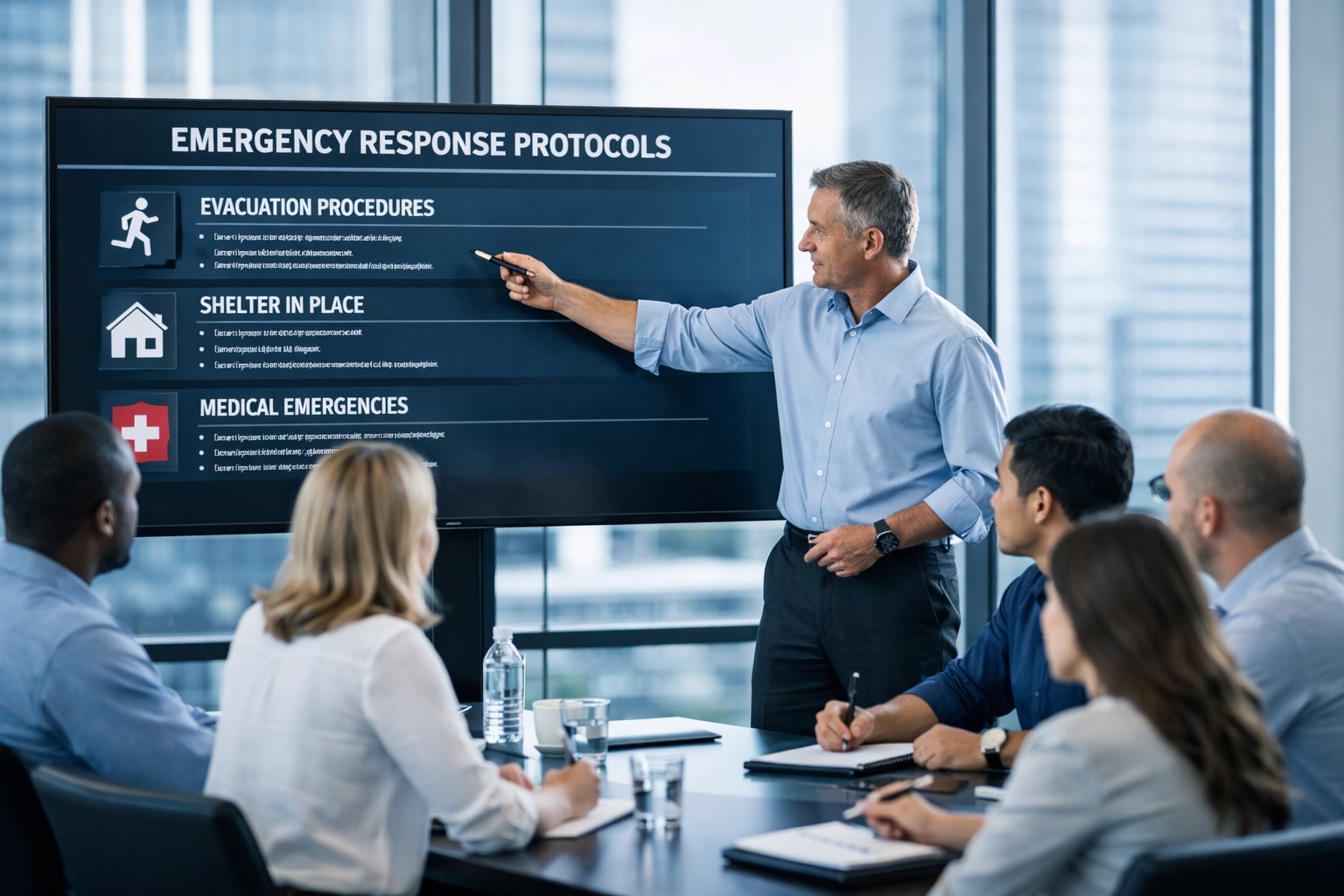
The Solution: Develop a comprehensive training program that begins during employee onboarding and continues through regular refresher sessions. Your training should be role-specific, equipping each team member with the knowledge and skills relevant to their responsibilities during an emergency. Include practical components such as accident reporting procedures, hazard identification protocols, and hands-on simulations that bridge the gap between theoretical knowledge and real-world application.
Consider implementing scenario-based training that reflects the specific risks your organization faces. A manufacturing facility has different training needs than a university campus or corporate office building.
2. Conducting Inadequate or Infrequent Emergency Drills
The Problem: The "this is just a drill" mentality undermines the entire purpose of emergency exercises. When organizations conduct drills infrequently or without genuine engagement, they fail to identify critical gaps in their response capabilities: from equipment failures and communication breakdowns to evacuation bottlenecks and insufficient response times.
The Solution: Schedule regular, realistic drills that challenge your team's preparedness. The most effective exercises are unannounced and scenario-specific, forcing participants to respond as they would during an actual emergency. Coordinate with local first responders and emergency management personnel to add authenticity to your simulations.
After each drill, conduct thorough debriefing sessions to document lessons learned, identify weaknesses, and implement improvements. This continuous feedback loop transforms drills from check-box exercises into valuable learning opportunities that genuinely enhance organizational resilience.
3. Establishing Weak Communication Protocols
The Problem: During emergencies, communication breakdowns can be catastrophic. Organizations that fail to establish clear communication channels and protocols create confusion about who's in charge, who needs to be informed, and how information flows during a crisis. This ambiguity leads to delayed responses, duplicated efforts, and critical information falling through the cracks.
The Solution: Define explicit communication roles and responsibilities for all staff members and external responders before an emergency occurs. Your communication plan should address three critical phases: pre-crisis training and preparation, real-time updates during active incidents, and post-crisis debriefing and evaluation.
Implement redundant communication systems to ensure connectivity even when primary channels fail. Regularly test these systems under various scenarios, and ensure every team member understands the chain of command. Consider establishing a crisis communication team specifically trained to manage both internal coordination and external messaging during emergencies.

4. Neglecting Emergency Equipment Maintenance
The Problem: Emergency equipment that's outdated, improperly stored, or poorly maintained becomes useless precisely when you need it most. Organizations often make significant initial investments in safety equipment but fail to establish ongoing maintenance protocols, resulting in expired supplies, non-functional devices, and inaccessible resources during critical moments.
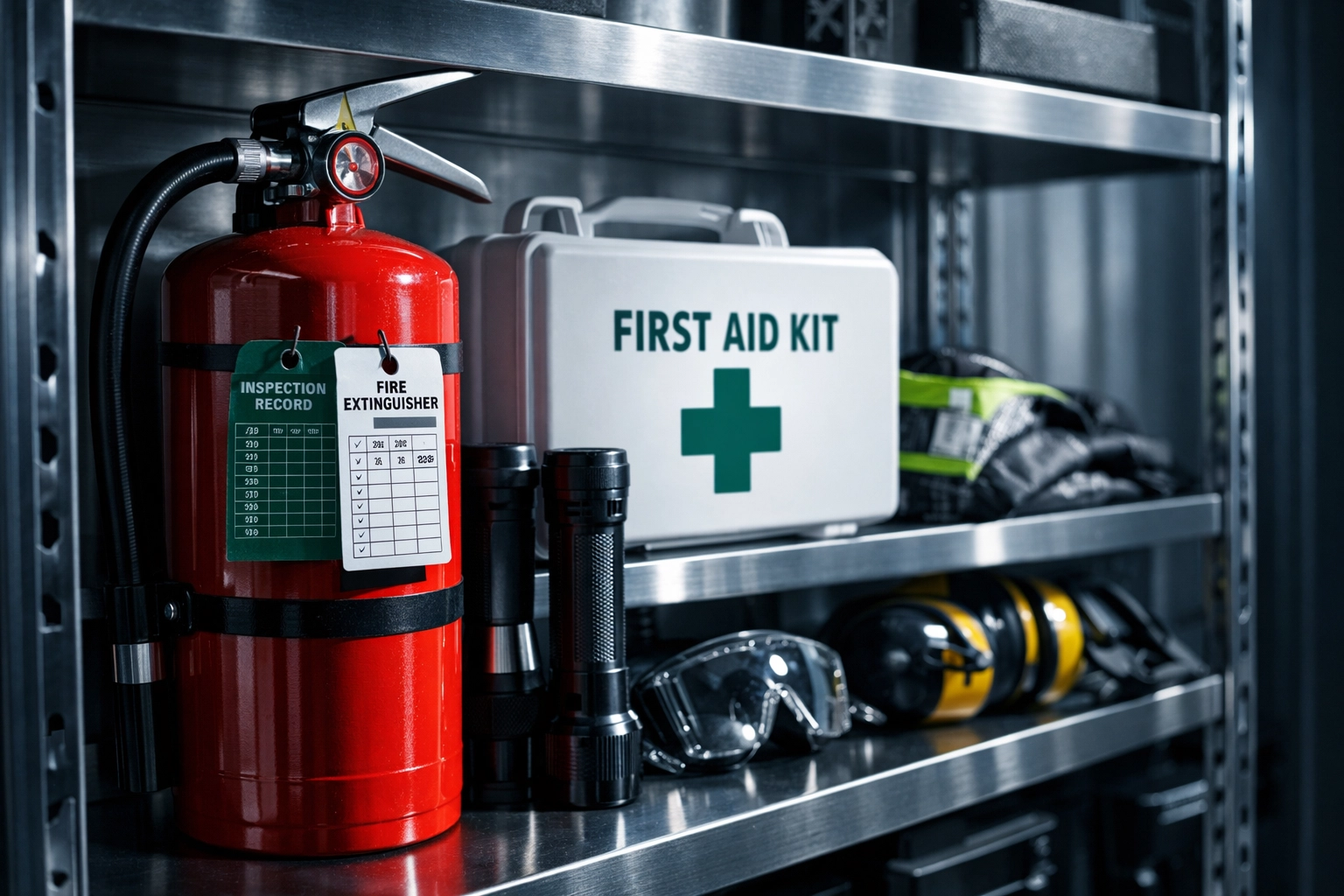
The Solution: Implement a systematic inspection and maintenance schedule for all emergency equipment. Assign specific individuals the responsibility of regularly checking fire extinguishers, first aid kits, communication devices, emergency power supplies, and evacuation equipment.
Ensure strategic placement of emergency supplies throughout your facility. Every critical area should have easily accessible emergency backpacks, lockdown kits, or evacuation supplies appropriate to your organization's specific needs. Maintain adequate stockpiles of essential supplies: food, water, medical supplies, and backup power sources: sufficient to sustain operations for at least 72 hours during a crisis.
Document equipment locations clearly and train all staff on where to find emergency resources. During high-stress situations, people shouldn't have to search for life-saving equipment.
5. Failing to Assign and Train Emergency Leadership
The Problem: Emergency plans without designated leadership positions create power vacuums during crises. While some individuals naturally step forward during emergencies, leaving leadership to chance is a recipe for disorganized response efforts, conflicting directives, and delayed decision-making when seconds count.
The Solution: Identify and formally assign emergency leadership roles during the planning process: not during an actual emergency. Designate an incident commander, department coordinators, communication leads, and other critical positions based on individuals' skills, experience, and availability.
Provide specialized training for these leadership positions that goes beyond general emergency awareness. Leaders need decision-making frameworks, resource allocation skills, and crisis communication capabilities. Establish clear succession plans so backup leaders are prepared to assume command if primary designees are unavailable.

Regular tabletop exercises specifically designed for leadership teams help decision-makers practice working together under simulated pressure, building the coordination and trust essential during actual emergencies.
6. Skipping Comprehensive Risk Assessments
The Problem: Generic emergency plans fail to address organization-specific vulnerabilities and location-based risks. A one-size-fits-all approach overlooks critical threats unique to your facility, geographic location, industry, and operational characteristics: leaving dangerous blind spots in your preparedness strategy.
The Solution: Conduct thorough risk assessments that evaluate both internal vulnerabilities and external threats specific to your organization. Consider your geographic location's natural disaster risks, your facility's structural characteristics, your industry-specific hazards, and your operational dependencies.
Assemble a dedicated emergency planning team that includes representatives from various departments, each bringing unique perspectives on potential risks. Evaluate historical incident data, industry-specific threat intelligence, and community risk assessments to build a comprehensive threat profile.
Update your risk assessment regularly as your organization evolves, new threats emerge, and you learn from exercises and actual incidents. Risk assessment isn't a one-time project: it's an ongoing process that informs continuous improvement in your emergency management program.
7. Failing to Review and Update Emergency Plans
The Problem: Static emergency plans quickly become outdated and ineffective as organizations change, new risks emerge, and lessons are learned from drills and real incidents. Plans created years ago may reference employees who no longer work at the organization, outdated contact information, discontinued equipment, or irrelevant procedures.
The Solution: Establish a formal review cycle for your emergency plans, updating them at least annually or biennially. However, certain changes should trigger immediate plan updates: significant organizational restructuring, facility modifications, new threat intelligence, lessons learned from exercises or actual incidents, and regulatory changes.
Incorporate feedback from every drill, exercise, and real emergency into your planning documents. Distribute updated plans consistently to all stakeholders, including community partners, first responders, and internal staff. Consider implementing version control systems to ensure everyone works from current information.
Make emergency plan review a collaborative process involving stakeholders across your organization. Different perspectives help identify gaps and ensure plans remain practical and relevant to current operational realities.
Building a Culture of Preparedness
Avoiding these seven common mistakes requires more than procedural changes: it demands cultivating a culture where emergency preparedness is valued, resourced, and continuously improved. Organizations that excel in emergency management don't view it as a compliance obligation but as a strategic priority that protects people, preserves operations, and demonstrates commitment to stakeholder safety.
The investment in comprehensive training, regular drills, maintained equipment, and updated plans pays dividends when emergencies occur. More importantly, it provides peace of mind knowing your organization can respond effectively to whatever challenges arise.
If you recognize these mistakes in your current emergency management program, don't be discouraged. Recognition is the first step toward improvement. Start addressing these gaps systematically, and you'll build the resilient, prepared organization your stakeholders deserve.
Looking to strengthen your emergency management training program? Contact Alpha Research Group to learn how our specialized training solutions can help you build organizational resilience and response capabilities that stand up to real-world challenges.
Comments