
Are Your Employees Really Prepared? 10 Crisis Response Training Gaps You're Probably Missing
- rynelemardis
- Feb 21
- 5 min read
When disaster strikes, the effectiveness of your organization's response depends entirely on how well your employees are prepared. Yet most organizations harbor significant blind spots in their crisis response training: gaps that only become apparent when it's too late to address them.
According to recent research, the lack of hands-on training can lead to hesitation, errors in judgment, and communication breakdowns that severely compromise crisis response efficacy. If your organization hasn't conducted a comprehensive audit of your crisis preparedness program lately, you're likely missing several critical elements that could determine whether your team responds with confidence or collapses under pressure.
1. Absence of a Comprehensive, Updated Crisis Management Plan
The foundation of effective crisis response begins with a well-defined plan. Yet many organizations operate with outdated crisis management frameworks that fail to address modern threats. Your plan might cover fire evacuations and natural disasters, but does it account for cyberattacks, supply chain disruptions, or pandemic scenarios?
An incomplete or antiquated plan creates cascading vulnerabilities throughout your entire crisis response structure. Without a comprehensive blueprint that addresses the full spectrum of contemporary risks, your employees lack clear direction when seconds count most.

2. Insufficient Hands-On Training and Simulation Experience
Theory without practice is arguably the most dangerous gap in crisis preparedness. Many organizations conduct annual training sessions where employees passively review procedures, check a compliance box, and move on. This approach cultivates familiarity with concepts but not competency in execution.
Real crisis response requires muscle memory: the ability to execute complex procedures under extreme stress without conscious thought. Without regular, realistic simulation exercises that replicate actual crisis conditions, your team will hesitate at critical moments. That hesitation translates to delayed response times, compounded errors, and potentially catastrophic outcomes.
3. Poorly Defined Crisis Communication Channels
During a crisis, confusion about communication protocols can be as damaging as the crisis itself. Organizations frequently overlook the importance of establishing clear, redundant communication channels before emergencies occur. When stakeholders don't know where to find updates, how to report critical information, or whom to contact for guidance, response efforts fragment.
Additionally, many organizations fail to designate a crisis communication team with clearly defined roles. Without this structure, messaging becomes inconsistent, information silos develop, and your response appears uncoordinated to both internal and external stakeholders.
4. The Plan-Execution Disconnect
Perhaps the most insidious gap is the disparity between having an excellent plan on paper and possessing the team readiness to execute it under acute stress. Organizations invest considerable resources developing comprehensive crisis management documentation, only to discover that employees can't locate, interpret, or implement these procedures when adrenaline is flowing and circumstances are rapidly evolving.
This gap emerges from treating planning and training as separate activities rather than integrated components of preparedness. Your plan is only as effective as your team's ability to execute it instinctively during high-pressure situations.

5. Critical Soft Skills Deficiencies
Technical knowledge alone doesn't produce effective crisis responders. Leadership surveys consistently identify communication, adaptive leadership, and proactive thinking among the top skills their teams lack during emergencies. Yet traditional crisis training focuses heavily on procedures and protocols while neglecting the interpersonal competencies that enable teams to function cohesively under pressure.
During crises, employees must make rapid decisions with incomplete information, communicate clearly despite chaos, and maintain composure while managing their own stress. Without deliberate soft skills development, even technically proficient teams can struggle to coordinate effectively.
6. Inadequate Psychological Preparedness and Stress Management
The psychological dimension of crisis response remains one of the most overlooked training areas. Employees who haven't been prepared for the emotional and cognitive impacts of high-stress situations often experience decision paralysis, tunnel vision, or emotional overwhelm precisely when clear thinking is most critical.
Effective crisis response training must include psychological preparation: helping employees understand normal stress responses, practice emotional regulation techniques, and develop mental frameworks for maintaining clarity during chaos. Organizations that neglect this dimension often discover that their technically sound procedures fall apart when executed by psychologically unprepared personnel.
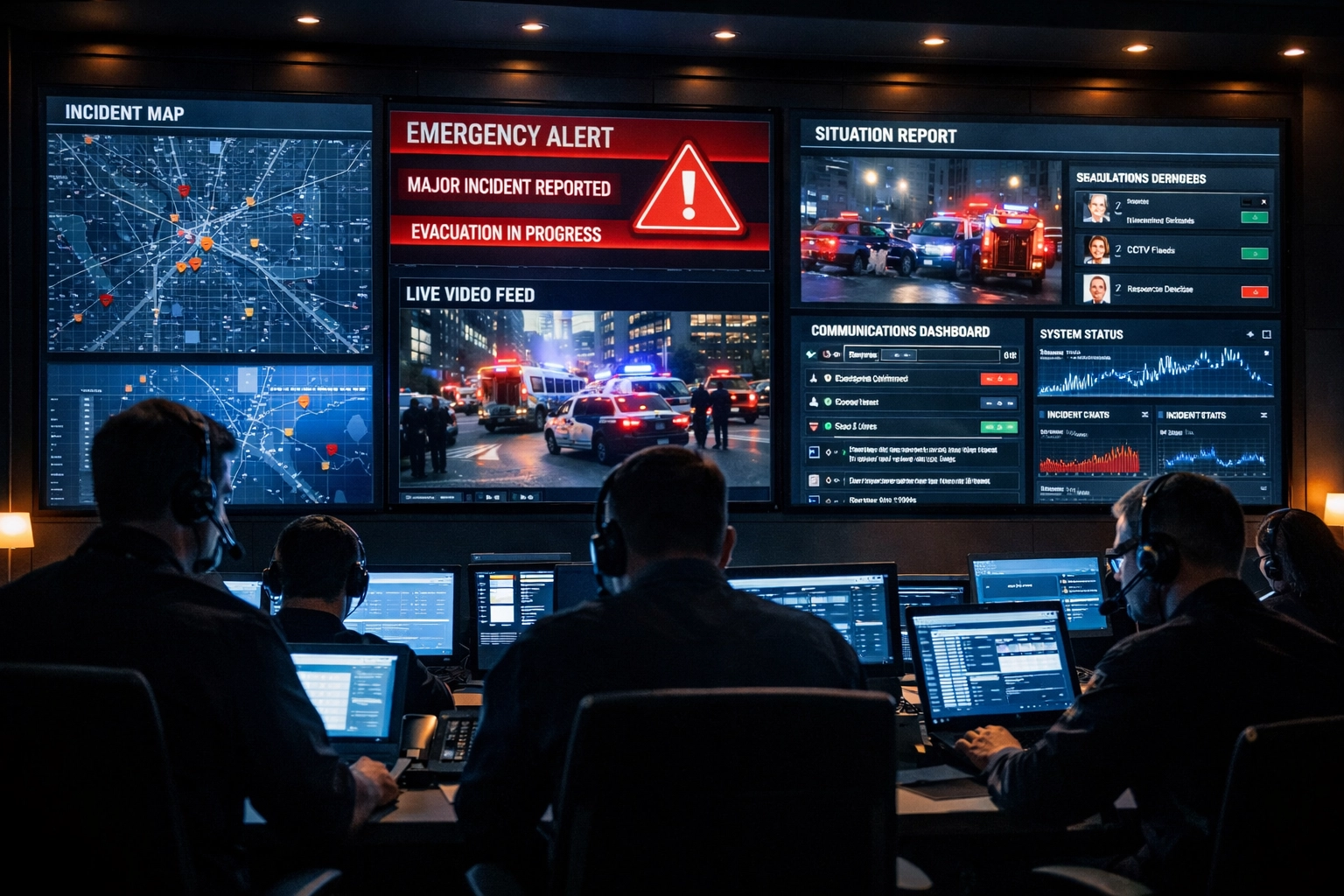
7. Poor Technology Integration and Digital Crisis Management
Modern crises frequently involve or require digital tools for effective management, yet many training programs fail to adequately prepare employees for technology-dependent response scenarios. Whether it's using emergency notification systems, coordinating through digital platforms, or managing cyber threats, technological proficiency is no longer optional in crisis management.
Organizations must ensure employees understand not only what tools are available but how to access and utilize them effectively when systems are failing, networks are compromised, or normal digital infrastructure is unavailable.
8. Weak Documentation and After-Action Review Processes
Crisis response doesn't end when the immediate threat subsides. Organizations that lack robust documentation protocols and after-action review processes fail to capture critical lessons that could strengthen future responses. Without systematic analysis of what worked, what failed, and why, organizations repeat the same mistakes across successive crises.
Training should include documentation best practices during active crises and structured debriefing methodologies that extract actionable insights for continuous improvement. This gap closes the learning loop and transforms each crisis experience into organizational wisdom.
9. Neglecting Remote and Distributed Workforce Scenarios
The rise of remote and hybrid work models has fundamentally altered crisis response dynamics. Yet many training programs were designed for co-located teams and haven't been updated to address distributed workforce scenarios. How do you execute evacuation procedures when employees are working from home? How do you account for personnel during a crisis when they're scattered across multiple locations?
Organizations must redesign crisis training to address the unique challenges of coordinating dispersed teams, ensuring remote employees know their responsibilities, and maintaining communication when traditional in-person protocols don't apply.
10. Failure to Update Training Based on Emerging Threats
The threat landscape evolves continuously, yet many organizations conduct the same crisis training year after year without incorporating new scenarios or addressing emerging risks. From active shooter situations to climate-related disasters to novel pandemic strains, the crises your organization might face next year may differ significantly from those you've trained for historically.
Regular training program reviews should incorporate threat horizon scanning, ensuring your preparedness efforts address not only current risks but anticipated future challenges. Static training programs create dangerous vulnerabilities as the threat environment evolves around them.
Bridging These Gaps: A Path Forward
Identifying these gaps is only the first step. Organizations must take deliberate action to address these vulnerabilities through comprehensive training redesign. This includes implementing realistic, industry-specific simulations that mirror your actual operational environment and vulnerabilities. Regular drills and tabletop exercises should test both plan effectiveness and team readiness while building confidence through repetition.
Cross-functional training ensures crisis protocols aren't siloed within specific departments but understood broadly across the organization. Consider engaging external crisis management experts who can provide objective assessments and fresh perspectives on your preparedness gaps.
The organizations that respond most effectively to crises aren't necessarily those that face fewer emergencies: they're the ones that have invested in comprehensive, continuous training that addresses the full spectrum of preparedness gaps. By systematically identifying and closing these ten common vulnerabilities, you transform your workforce from potentially unprepared to genuinely crisis-ready.
The question isn't whether your organization will face a crisis, but whether your employees will be prepared when that moment arrives. Addressing these training gaps now ensures that when the test comes, your team will respond with competence, coordination, and confidence.
For organizations ready to assess and strengthen their crisis preparedness programs, Alpha Research Group offers specialized emergency management training designed to close these critical gaps and build true organizational resilience.
Comments